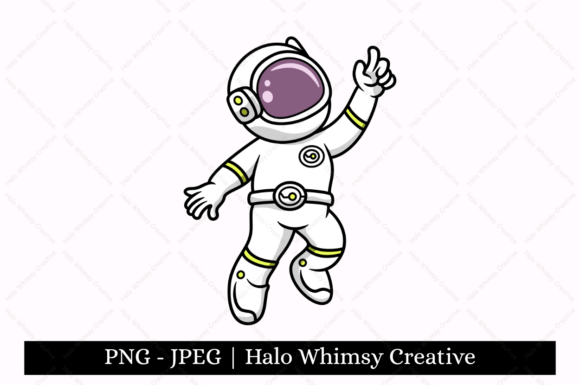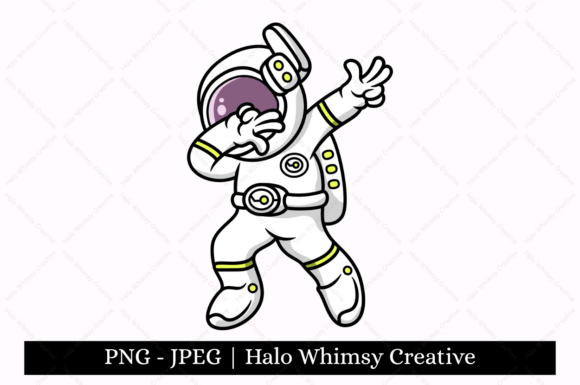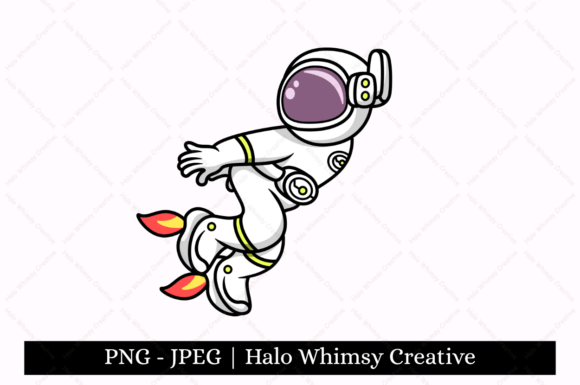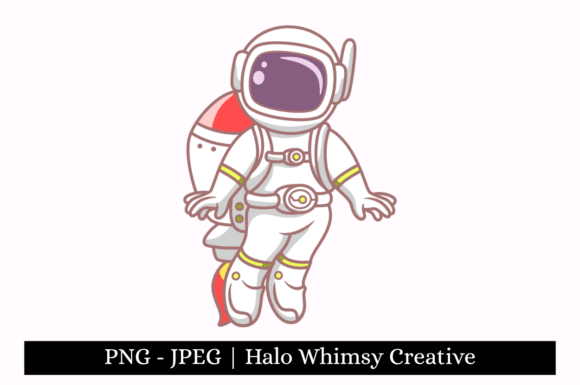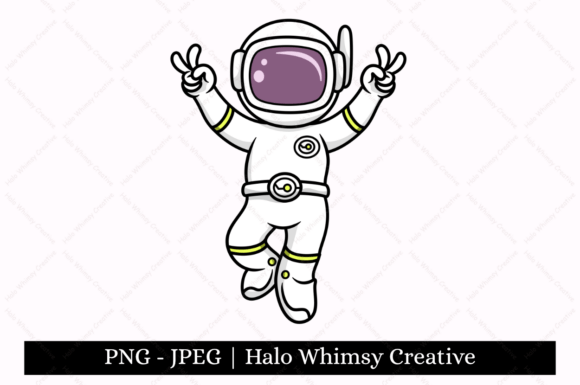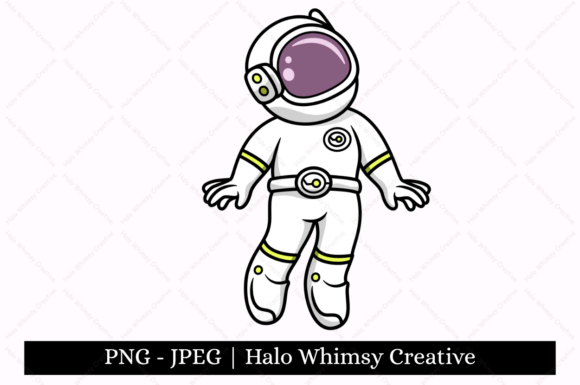
Astronaut Floating Celestial Voyager: A Guide to Using Space Illustrations Effectively
The Astronaut Floating Celestial Voyager illustration set offers a unique blend of whimsy and wonder, capturing the essence of space exploration in a stylized format. Whether you are designing holiday cards, creating social media graphics, or developing packaging for a small business, these visuals provide a versatile foundation. However, simply downloading high-quality assets is only the first step. The true value lies in how you integrate them into your projects without compromising quality or design integrity.
Many creators assume that because an image file is labeled "high resolution," it will automatically look professional in any context. This is a common misconception that can lead to disappointing results. Understanding the specific technical attributes of the Astronaut Floating Celestial Voyager files—such as DPI, background transparency, and color profiles—is essential for achieving a polished final product.
Understanding the File Formats and Their Impact
The core of this digital asset pack includes two PNG files with transparent backgrounds and two JPG files with white backgrounds, all sized at 12 inches by 12 inches with a resolution of 300 DPI. While these specifications sound impressive on paper, misuse can degrade the visual impact of your work.
A frequent mistake involves using the wrong file type for the intended medium. For instance, if you are designing a website banner or a social media post where the astronaut needs to float over a complex gradient or photo, using the JPG version with the white background will create a jarring square box around the subject. This breaks the immersion and makes the design look amateurish. The solution is straightforward: always select the PNG file with the transparent background when layering elements over other colors or images. This allows the Astronaut Floating Celestial Voyager to blend seamlessly into your composition.
Conversely, beginners often overlook the utility of the JPG files. These are not merely backups; they are essential for print applications where the background color is fixed, such as certain types of stationery or when printing directly onto white cardstock. Understanding when to use each format ensures efficiency and prevents the need for time-consuming editing to remove unwanted white edges later.
Avoiding Resolution Pitfalls in Print Design
One of the most critical aspects of working with digital art for physical products is maintaining the correct resolution. The Astronaut Floating Celestial Voyager set is provided at 300 DPI (dots per inch), which is the industry standard for high-quality printing. This means the image contains enough pixel data to appear crisp when printed at its native size of 12 inches by 12 inches.
A common error occurs when users stretch these images beyond their intended dimensions. If you attempt to scale the astronaut up to cover a large poster or a billboard, the image will become pixelated and blurry. This loss of detail can ruin the professional appearance of invitations, packaging, or branding materials. To avoid this, always check the canvas size of your project before importing the asset. If you need a larger output, do not simply drag the corners to resize; instead, consult with your printer about scaling limits or consider using vector-based alternatives if available.
Furthermore, when using these designs for sublimation—a popular method for transferring images onto mugs, t-shirts, and other merchandise—the 300 DPI resolution is crucial. Sublimation requires precise color reproduction and sharp lines. Low-resolution images result in muddy colors and fuzzy edges once heat-pressed. By sticking to the provided high-quality resolution, you ensure that the celestial details remain vibrant and clear after the transfer process.
Composition and Creative Flexibility
The beauty of the Astronaut Floating Celestial Voyager collection lies in its modularity. You are encouraged to combine elements from the set to create unique compositions. However, a lack of planning can lead to cluttered designs that fail to communicate your message effectively.
Beginners often try to include every element in a single frame, resulting in visual noise. When designing holiday cards or invitations, less is often more. Consider the hierarchy of information. The astronaut should serve as the focal point or a supporting character, not compete with your text. For example, if you are creating a birthday invitation, place the floating astronaut in the negative space while keeping the text legible and centered. This approach guides the viewer's eye naturally through the design.
Another overlooked detail is color harmony. The illustrations likely feature specific palettes suited for a cosmic theme. When integrating these into your brand or event design, ensure that your chosen fonts and additional graphics complement the existing colors rather than clashing with them. If you are rebranding a website, test the astronaut against your site's background colors to ensure sufficient contrast and readability.
Licensing, Watermarks, and Professional Use
Purchasing the Astronaut Floating Celestial Voyager set grants you access to clean, watermark-free files. This is a significant advantage for commercial projects. Many free resources come with intrusive watermarks that make the artwork unusable for professional purposes. However, even with purchased assets, it is vital to understand the scope of your license.
While the absence of watermarks allows for immediate use in branding, web sites, and packaging, you must verify the terms regarding resale. Typically, you cannot resell the raw digital files as your own stock photography or clipart. Instead, you are licensing the right to use the images within your created products. For example, selling a t-shirt featuring the astronaut is generally acceptable, but selling a zip file containing the original PNGs is not. Clarifying these boundaries protects your business from legal issues and ensures ethical practices in your creative workflow.
Practical Steps Before You Begin
Before diving into your next project involving the Astronaut Floating Celestial Voyager, take a moment to audit your requirements. Check the dimensions of your final output against the 12x12 inch source size. Confirm whether you need a transparent or solid background based on your design software and medium. Finally, review the licensing agreement to ensure your intended use aligns with the permissions granted.
By paying attention to these details, you transform a simple download into a powerful design tool. Whether you are a marketer crafting a campaign, an educator making classroom materials, or an entrepreneur launching a new product line, the right application of these celestial illustrations can elevate your work. Avoid the trap of rushing through the technical setup; taking the time to choose the correct file format and respect the resolution limits will save you time and money in the long run, resulting in a final product that truly shines.